Journal · Calendar
The Sifnian calendar: panigyria, festivals and traditions
237 chapels, just as many reasons to celebrate. From the September Tselementes Festival to the summer panigyria, from solstice fires to the Easter procession — the complete calendar of an island that celebrates almost every week.
Sifnos counts 237 chapels and churches. For 2,777 inhabitants. Which says how religious feasts — the panigyria — shape the rhythm of the island. Add to this the modern festivals — the famous Tselementes Festival in September chief among them — and the seasonal rituals that mark the villages. Here is the complete calendar, month by month, to plan your week.
What is a panigyri?
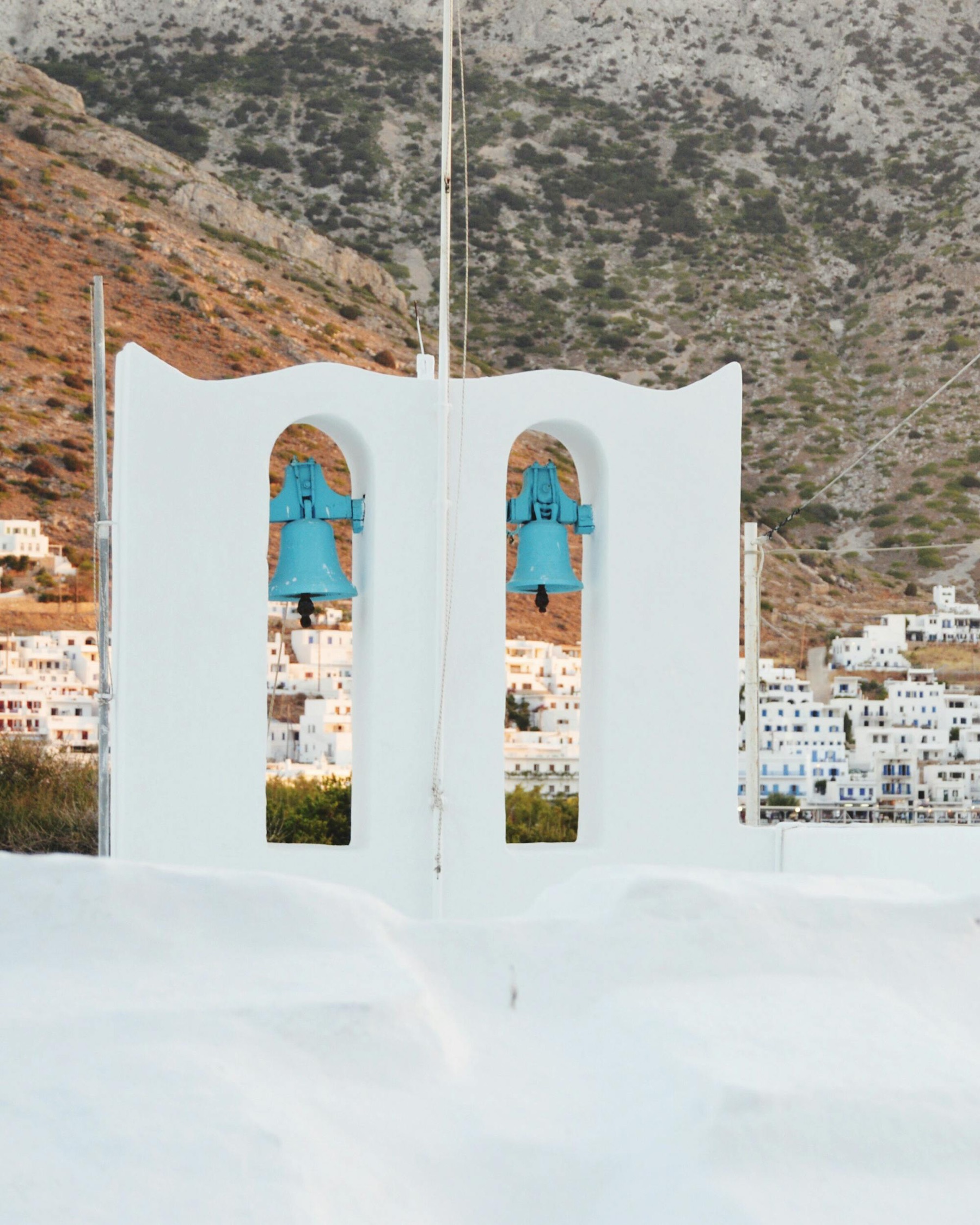
A panigyri is the patron feast of a chapel or church. Every religious building has its saint and its day; on that date, the entire community gathers for the liturgy, then for the communal meal.
On Sifnos, the ceremony follows a precise protocol. The feast usually takes place on the afternoon before the saint’s day — except for a few panigyria held on the morning of the day itself. The faithful attend vespers, then break bread together and share dinner at long traditional tables called trapezia. The menu is almost always the same: chickpea soup (the famous Sifnian revithada) and braised lamb with potatoes or pasta, with bread and local wine.
A Sifnian particularity: the costs of the panigyri are borne by a panigiras — a believer who commits to organising the feast that year. In return, he keeps the icon of the saint at home for the following year. It is a great honour.
Here are the unmissable dates, in calendar order.
May–June: Easter and the Ascension
Orthodox Easter is by far the largest Sifnian feast — see our complete Easter guide. In 2026, Easter Sunday falls on 12 April; in 2027, 2 May; in 2028, 16 April.
The Ascension (Analipsi), forty days after Easter, is the other great religious date of the island. It celebrates Panagia Chrysopigi, the patron saint of Sifnos — the miraculous icon of the chapel that rises on its rock to the southeast. A long procession leaves Apollonia and descends to Chrysopigi, in a popular festive atmosphere — local orchestras, traditional songs, a giant communal meal on the beach. One of the island’s most beautiful panigyria.
24 June: Klidonas
On 24 June, on Saint John the Baptist’s day, comes the summer solstice and the night of Klidonas — a pre-Christian tradition that has merged with the Christian liturgy.
In the villages, fires are lit on the squares — often built with the dried flower wreaths from the 1st of May. The young (and the not-so-young) leap over the flames to ward off the evil eye for the coming year. Earlier in the evening, the women place in a clay pot (always one) personal objects — rings, scraps of fabric, small things — covered with silent water (water drawn from a well in silence). The pot is left under the stars all night. In the morning, the objects are drawn out at random: the song sung at that exact moment becomes your prediction for the year.
It is a joyous, almost pagan feast. Kastro and Artemonas are the villages where it is best seen.
13 June: Saint Elissaios
A small village feast, but charming. Morning liturgy in the chapel of Elissaios, then communal meal.
12 July: Taxiarchi (Archangel Michael)
The Archangel Michael is a beloved saint in Greek Orthodoxy. Several chapels on Sifnos are dedicated to him — notably the one at Vathi, set almost in the water in the middle of the bay. Tradition says a villager once prayed there to the archangel for the wind to drop — and the wind dropped. The feast of 12 July at Vathi is one of the most beautiful of the summer calendar.
17 July: Saint Marina (Agia Marina)
A small feast but well attended. Several chapels dedicated to Agia Marina across the island.
19-20 July: Profitis Ilias
The prophet Elijah has his chapel at the highest point of Sifnos — the monastery of Profitis Ilias o Psilos, at 678 metres. The 20th of July is his feast. The night before, the faithful undertake the night hike from Katavati (1h30-2h up on a stone-paved path) to attend the vigil, then the dawn liturgy. In the morning, revithada is served from clay pots to all who arrive. One of the great Sifnian traditions — not for everyone (the walk is demanding), but unforgettable for those who attempt it.
15-17 August: Dormition of the Virgin (Panagia)
The 15th of August is in Greece what Easter is to Protestants — a national feast, celebrated everywhere. On Sifnos, several monasteries and chapels dedicated to the Virgin host their panigyri: Panagia Platanissa, Panagia Toso Nero, Panagia Nilios, Panagia tou Poulati — the last, perched on the eastern cliff, particularly moving with its view over the Aegean.
The island is very busy at this period — it is absolute peak season. Hotels are full, ferries saturated. But the atmosphere is unmatched.
31 August – 1 September: Saint Symeon
The monastery of Agios Symeon — the one that rises above Kamares and that you visit for the sunset (see our guide) — celebrates its patron saint on this date. Morning panigyri, followed by the communal meal at the monastery.
September: the Tselementes Festival
This is the gastronomic appointment of the year, and by far the most celebrated cultural event on Sifnos.
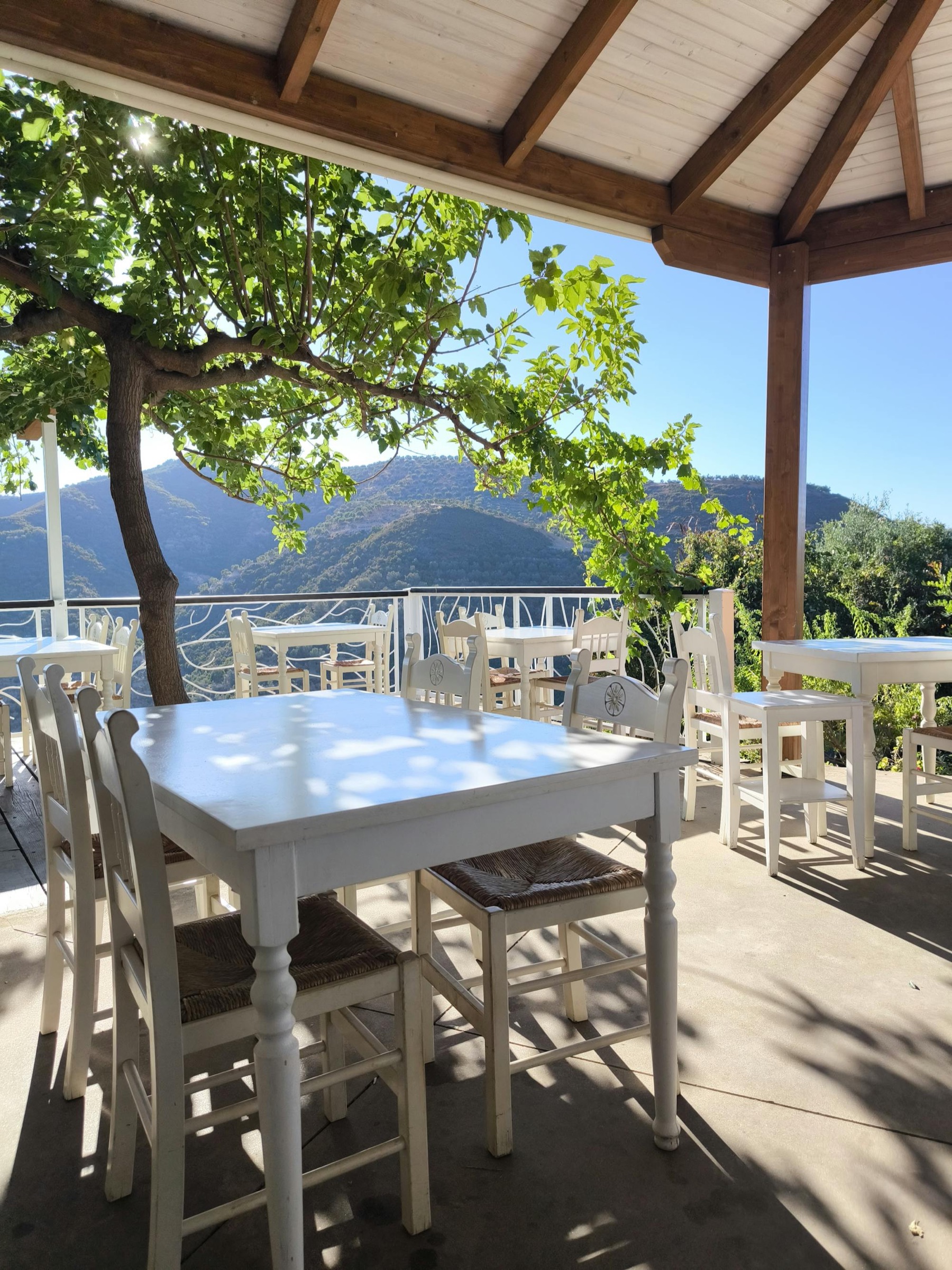
Every September since 2008, the village of Artemonas has hosted the Cycladic Cuisine Festival “Nikolaos Tselementes.” Three days of festival on the central square of the village, in tribute to the greatest modern Greek chef — a Sifnian, see our Tselementes biography.
In 2026: 24-26 September (exact dates are confirmed each year — for 2025 it was 25-27 September, the festival always falls on the last or second-to-last weekend of September).
How it works. On the square at Artemonas, each Cyclades island has its booth — Mykonos, Tinos, Naxos, Andros, Paros, Santorini, Milos, Sifnos itself, and several regions of mainland Greece. Amateur and professional cooks present the traditional dishes of their island: chicken with white beans, fresh cheeses, baked pasta, slow-cooked meats, sweets. Entry is free, food is free.
The festival opens daily at 18:00. At 21:30, the square fills for traditional songs and dances — bouzouki, lyre, folk costumes.
For children aged 6 to 12, cooking workshops called “Little Tselementedes” run during the day.
The festival was awarded in 2016 the Gold Award by CEUCO (the European Council of Gastronomic and Oenological Brotherhoods) as best European gastronomic festival of the year. It is, without exaggeration, one of the most beautiful gastronomic events in Greece.
If you can plan your stay on these three days, do. The villa is ten minutes by car from the Artemonas square — and the evenings follow the dances until well past midnight.
Municipal Cultural Summer
Throughout the summer (from mid-July to early September), the Municipality of Sifnos organises the Cultural Summer — a programme of concerts, conferences, exhibitions, open-air screenings, and the Tselementes Festival as the closing event. The exact programme is published each June on the official municipal website.
Many of these events take place outdoors, in village squares, the theatre at Artemonas, the fortress of Kastro. Most entries are free.
How to plan your week
You want the deepest traditions: come at Easter (April or May depending on the year). The most intense experience.
You want the great Greek panigyri: come on 15 August. But book very early and prepare for a full island.
You want the most magical night: 20 July (Profitis Ilias) if you are a hiker, or 24 June (Klidonas) at Kastro for the Saint John bonfires.
You want the gastronomic festival: late September (Tselementes). Bonus: the weather is still perfect (25°C by day, 18°C at night), the beaches are empty, and the tavernas are at their best.
You want pure quiet: mid-June or very early October. No major panigyri, but all the beauty of the island for yourself.
To go further:
- Easter in Sifnos — the most beautiful week of the Sifnian calendar
- Nikolaos Tselementes — the man who inspires the September festival
- Three villages of Sifnos — Apollonia, Artemonas, Kastro, where most feasts happen
- A history of Sifnos — why the island holds tightly to its traditions