Journal · Guide
The best addresses in Sifnos: beaches, restaurants, hotels, villages
The complete address book for a week in Sifnos. Beaches, coves, tavernas, evening tables, villages to walk, hotels, ceramicists, sunset spots. One page to map it all — and six dedicated guides for the deeper read.
Sifnos is not the postcard Cyclades. No long sun-bed beaches, no clifftop DJ bars, no overheated villages. The island is smaller, more lived-in, more honest. It rewards travellers who arrive with a little time. This is our complete address book — the one we hand to friends leaving for a week. For each category, a deeper guide waits at the end of the section.
The beaches
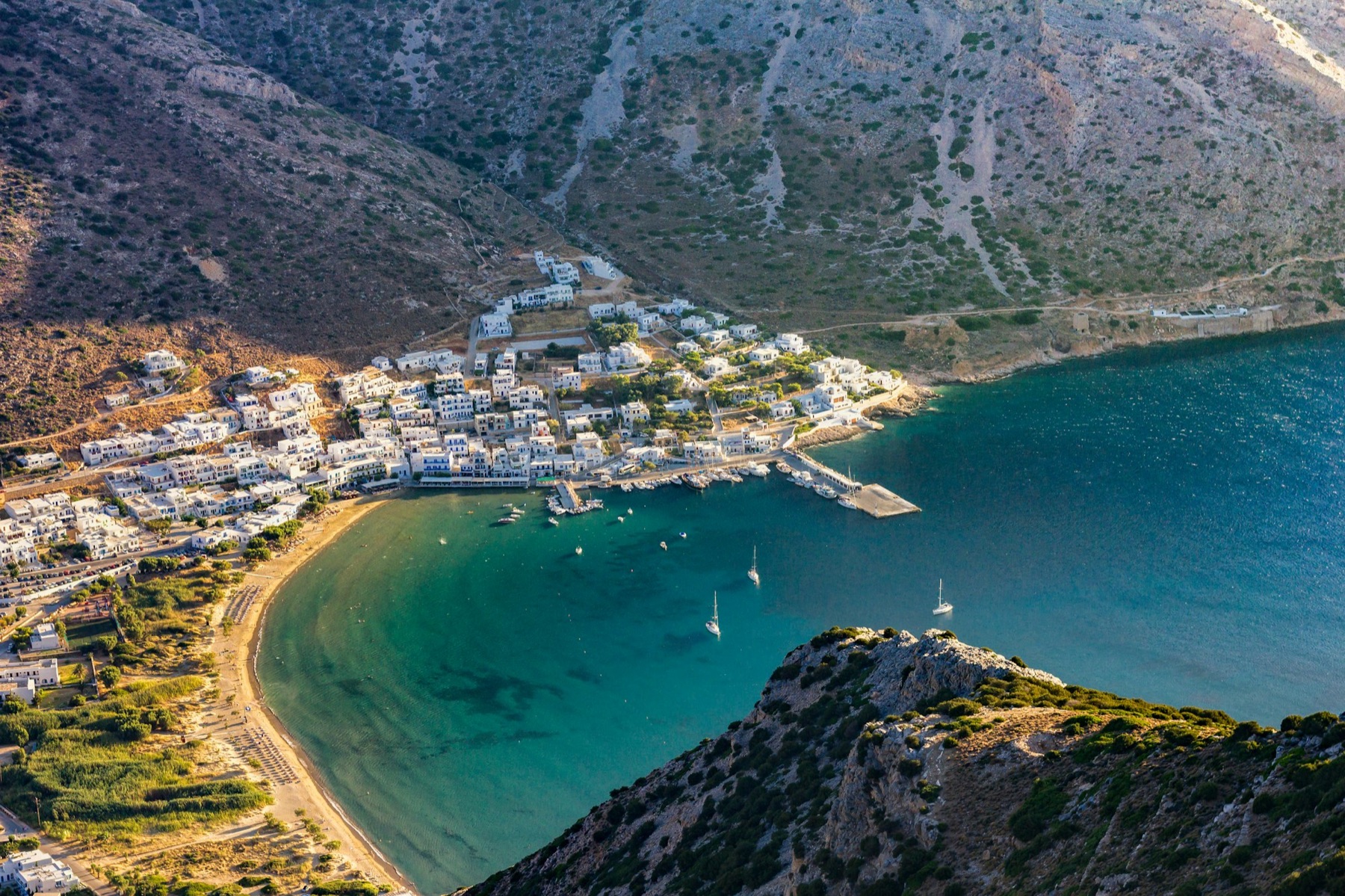
Eight bays to know, each with its own wind, light, and taverna. The rhythm in Sifnos is to pick one beach a day and let the day build around lunch.
Chrysopigi. The most photographed bay — the chapel of Panagia Chrysopigi sitting on its rock islet, joined to the mainland by a stone footbridge. Golden sand, turquoise water, sheltered from the meltemi. For lunch, walk the length of the sand to the last taverna, Tsapis: sun-warmed plates, very good fish. The first taverna along the bay is reliable too; we simply prefer the further one.
Vathi. Our favourite — a long, calm crescent under the tamarisks, glassy water even when the meltemi howls elsewhere. Manolis is our table: feet on the sand, under the trees, the food honestly the best in the bay — and on the island, more than a few Greek friends will tell you. For a quieter siesta, Nostos beach rents loungers a little further along.
Vroulidia. The wild north. The road brings you partway, then you walk — unless you arrive in a 4×4 with the nerve for the descent (for confident drivers only). Worth the effort. The single small restaurant facing the sea is the right one. The taverna Katerina above is, frankly, not.
Cheronissos. The small fishing port at the northern tip. Two fish tavernas on either side of the bay; we always choose the one with feet on the sand — quieter, more charming.
Platis Gialos. The wide southern beach, family-shaped, the longest stretch of sand. Two well-known kitchens: Omega 3 (gastronomic, fish) and Mamma Mia (Italian, very good). Skip To Steki. For an easy lunch, the club sandwich and the burger at Palmyra — feet on the sand, perfect with children. Sundowners between six and seven again at Palmyra. Loungers all along the bay. Lostbay a little further along has a lovely tamarisk-shaded vibe.
Lazarou. Just past Platis Gialos, a small cove with rentable loungers. A beautiful spot. Ask for the loungers on the pier — the view is the better one.
Faros. A small fishing village divided by two beaches. The first is fine; we recommend you walk through the village to the second, more sheltered one. From there, a twenty-minute coastal path connects you to Chrysopigi — the prettiest stretch of walking on the south coast. New for the season: Aliyelo rents Fatboy-style loungers next door to Pelicanos. We like the mix — loungers at Aliyelo, lunch at Pelicanos. And for dinner, To Limanaki serves the best lobster pasta on the island — sold by the kilo, in the order of forty to fifty euros per person, but worth every euro.
Fasolou. Just over the headland from Faros, quieter still. No road — short walk along the coast path.
→ For the deeper read: The beaches of Sifnos, bay by bay.
The hidden coves
Three coves for the days without wind, or to escape the Platis Gialos crowd.
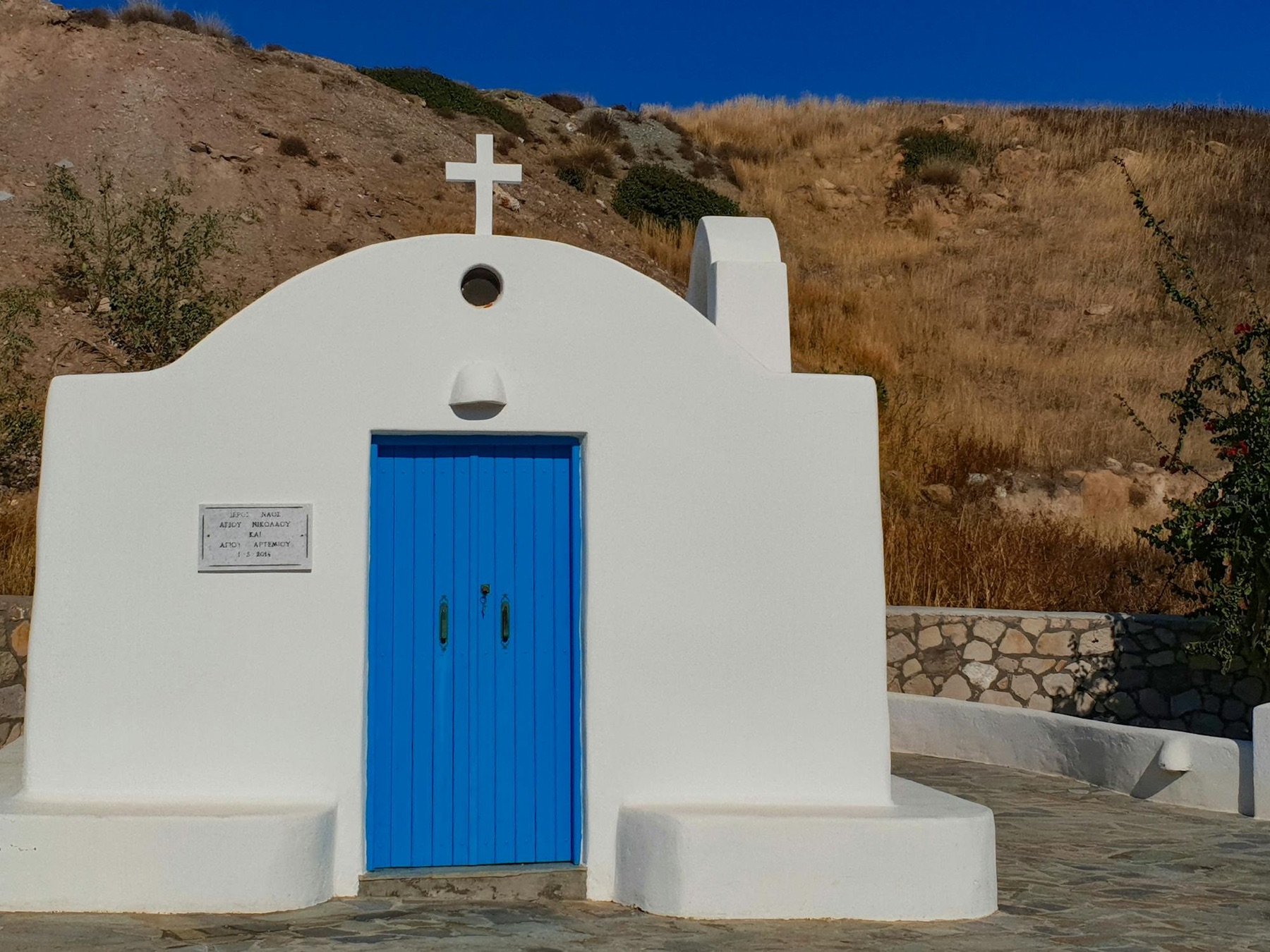
Poulati. The most beautiful, below the village of the same name. A small white chapel hangs over the sea; below, a dramatic cove, electric-blue water, snorkel-clear. Five minutes down on stone steps.
Paralia Fikiada. The wildest swim. Two ways: a long hike from Vathi, or — much more pleasant — by sea. We charter Calypso or Bloomarine with a skipper for the day. Both are reliable and work with the villa concierge. The trip is well worth the spend.
The cove below Kastro. Walk the cliff path from the medieval village to the chapel of the Seven Martyrs, set on its own rock platform — the postcard image of Sifnos. On the right of the path, a short scramble down to a small pebble cove. Few people know it. The water is glass.
→ For the deeper read: Three hidden coves of Sifnos.
Evening restaurants
Sifnos is the table of the Cyclades. Nikolaos Tselementes (1878–1958), the man who codified modern Greek cookery, was born here — his name is now the Greek word for cookbook. The island still cooks with the same care. Seven tables we book before we land.
Cantina, in Kastro. Reservations essential, well in advance. Set menu around €70, two services only (19:30 or 22:00). Cliff-edge, sublime view, modern Greek with a Sifnian foundation. The table of Sifnos.
Pelicanos, Faros. Feet by the water, honest cooking, the right glass. Good lunch and good dinner.
Mamma Mia, Apollonia or Platis Gialos. Italian, very, very good. Pasta, wood-fired pizzas, seafood. Two locations, the same kitchen.
Drakakis, Apollonia. A village taverna, Greek classics done with confidence. The family also runs the bakery famous for morning amygdalota.
Mosaic Café, Artemonas. The best Greek taverna on the island, in our view. Family-run, paved terrace under a fig tree on the pedestrian street of Artemonas. Mastelo, revithada, caper salad, local cheeses.
Omega 3, Platis Gialos. Fish-led, gastronomic. The table for an occasion. Reserve early.
Bostani, at the Verina hotel. The neighbour to our villa, with the most cinematic view on the south coast. Smart, beautiful, contemporary Mediterranean cooking. The hotel’s spa is excellent — massages worth booking the day before.
To this add all the beachside Greek tavernas mentioned above: Tsapis at Chrysopigi, Manolis at Vathi, the feet-in-the-sand taverna at Cheronissos, the single restaurant at Vroulidia, To Limanaki at Faros for the lobster pasta.
→ For the deeper read: Where to eat in Sifnos: a guide to the island’s tables.
Villages to walk
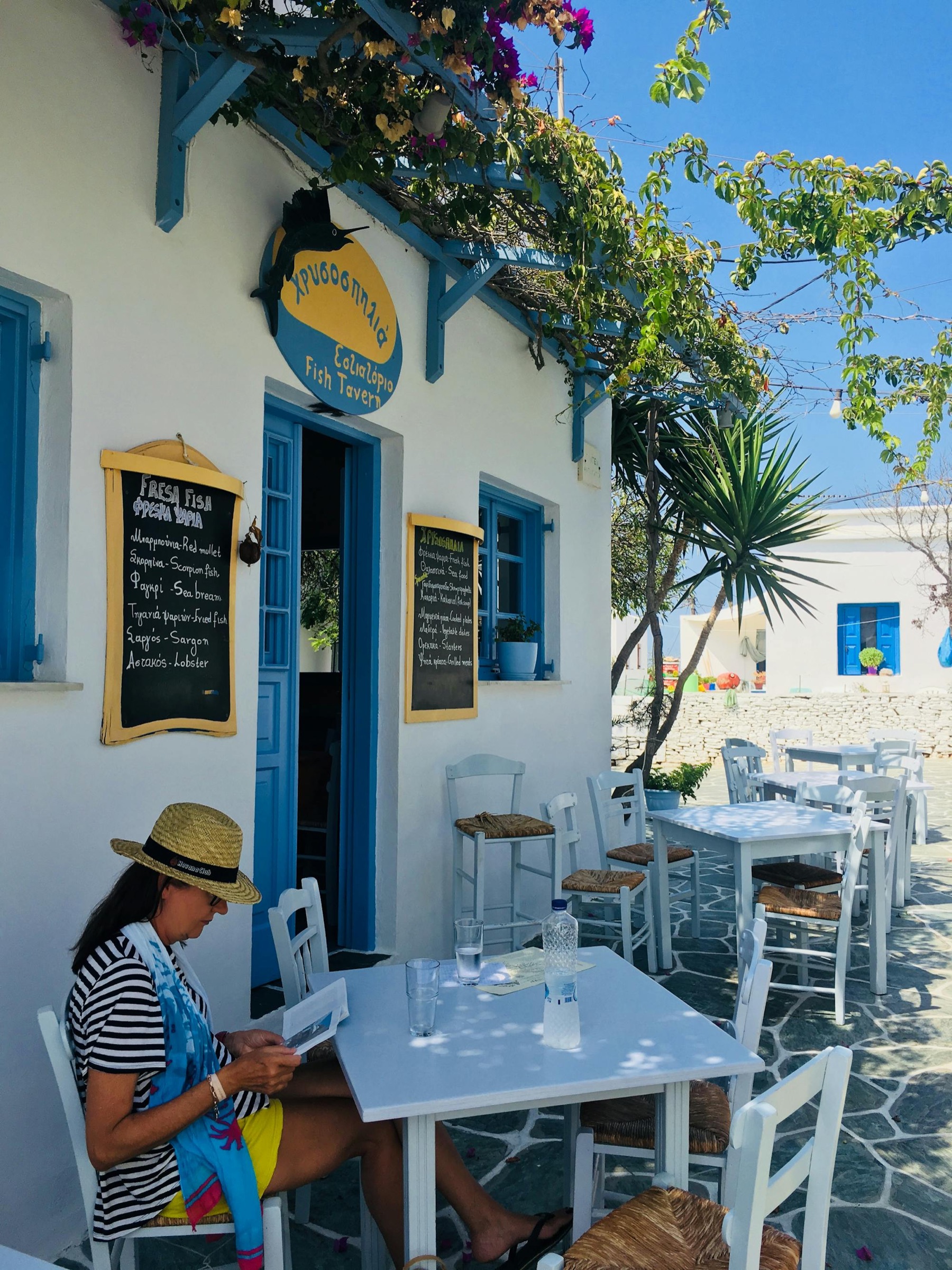
Three cores to know, in order from quietest to liveliest.
Kastro. The medieval fortified village, perched on the eastern cliff. Walk the cliff path to the southern monastery at sunset — sublime. Then a glass at La Loggia in one of the vaulted loggias, and dinner at Cantina. A perfect evening.
Artemonas. The most architecturally beautiful village on the island, a little higher up. Pedestrian streets with a few good bars, Cycladic neoclassical mansions with tiled roofs, cypress and jasmine. Mosaic Café for lunch.
Apollonia. The modern capital. Lanes, boutiques, bars — Botzi with its rooftop is very cool. Many other bars along the main alley (the Steno) — pick the music. This is where the island lights up at night.
For an evening glass on the water, Palmyra at Platis Gialos is the reliable choice — sandals off, very cool.
→ For the deeper read: Three villages of Sifnos: Kastro, Artemonas, Apollonia.
Hotels
Sifnos is not a hotel island. Most stays are organised through private villas or small family-run inns — that is part of its charm. If you are looking for a quality hotel base on the island, the address to know is:
Verina. The boutique hotel right next to our home, on the same south coast. Breathtaking view, considered design, the Bostani restaurant open to non-residents (contemporary Mediterranean), and a spa with excellent massages. Three properties on the island (Verina Astra, Verina Suites, Verina Houses), all in the same spirit.
And for the full experience of a home of your own, you know where to find us: the Villa Avlaki, perched on the cliff, five bedrooms, ten guests, infinity pool above the Aegean.
The ceramicists
Sifnos is the potter’s island — that’s what it has long been called. The tradition runs back centuries; the workshops cluster around Vathi and Cheronissos, where the red clay sits in the ground naturally. Three names to know:
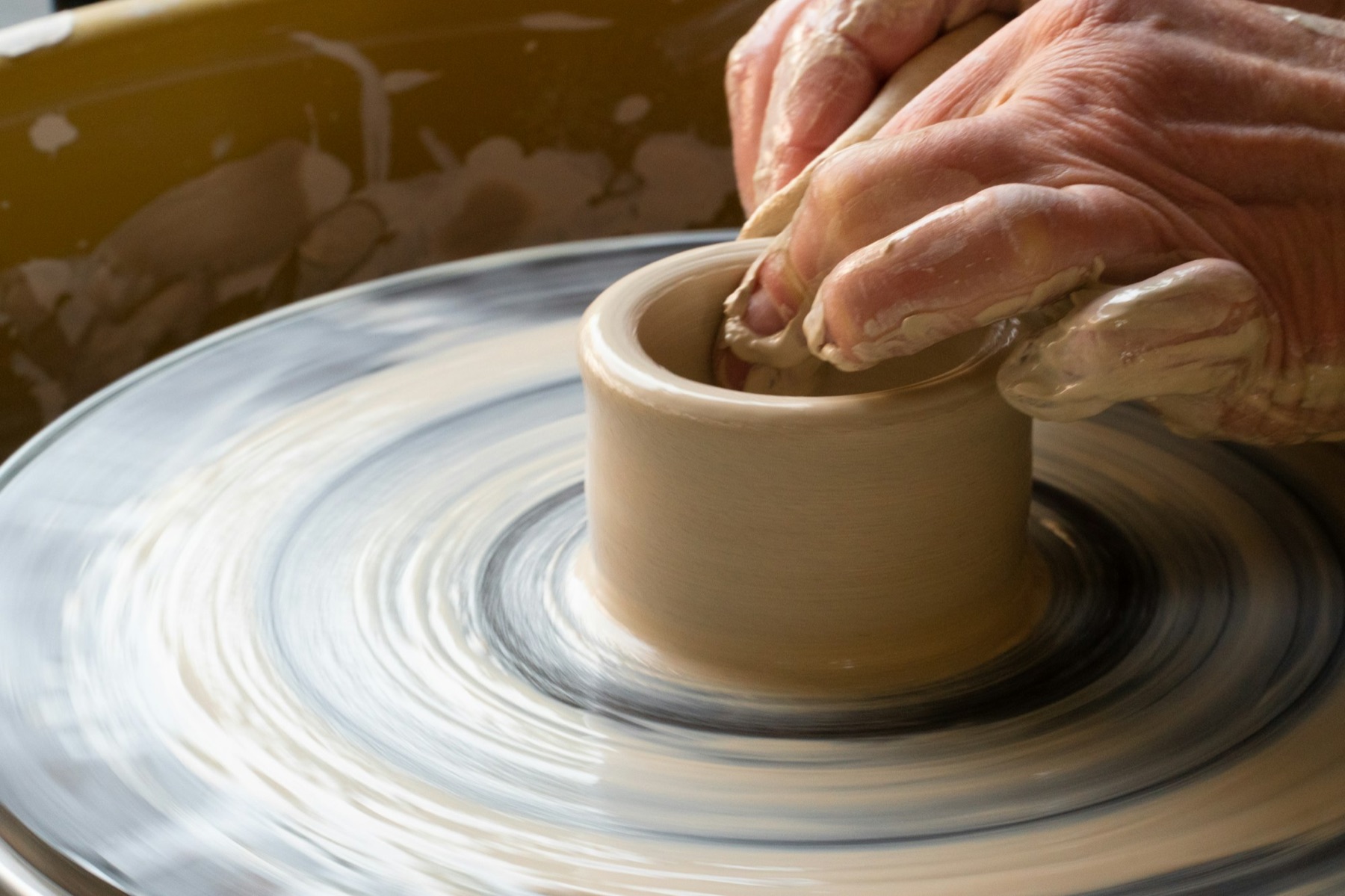
Lembesis. Traditional studio. The Sunday pot (the tsoukali that makes the revithada) is still wheel-thrown by hand here. The studio sits on the Vathi beach road; you can usually watch the wheel through an open door.
Apostolidis. More architectural, more contemporary. Large planters, lighting, interior ceramics. The work appears in design hotels across Greece.
Sifnos Stoneware. The modern line, in stoneware rather than terracotta — matt glazes, simple forms, tableware for the everyday table.
Beyond the three names, there are potters all along every road on the island — between Apollonia and Vathi, around Cheronissos, in the lanes of Artemonas. Stop whenever a wheel is turning. Styles differ. Prices too.
→ For the deeper read: Sifnos pottery: studios and tradition.
Sunset spots
Sifnos lifts the curtain at sundown. The wind drops, the cliffs warm, the villages light up slowly. Four places to settle for the moment.
The monastery of Agios Symeon. The high point of the western coast, fifteen minutes by car from Apollonia plus a five-to-ten-minute walk. 360° view, the Piraeus ferry often slides into the frame.
Paralia Sifnos bar, in Kamares. On the wide port bay, loungers on the sand, DJ set in the late afternoon. The afterglow lasts well over an hour; the village lights climb the hillside as the sky turns violet.
The Kastro cliff path. At sunset, the gold light catches the white walls of the medieval village. Walk to the southern monastery — sublime.
Palmyra at Platis Gialos. The easy, family-friendly sunset, feet on the sand.
→ For the deeper read: Sunset spots in Sifnos.
Before you go
A few rules of the week.
Reservations. Cantina, Mosaic, Manolis, Omega 3, Bostani: book at least a week ahead in August, sooner for Cantina. Pelicanos and To Limanaki: recommended for sunset slots. The others usually take walk-ins.
Greek hours. The island dines late. Nine to eleven is the local rhythm; anything before eight will feel empty and rushed.
The pace. One beach a day. One village an evening. One dinner a night. The week organises itself.
The detour that defines the week. A skippered day with Calypso or Bloomarine out to Fikiada, lunch back at Vathi with Manolis. You will thank us.
To plan your stay, or simply to dream of an open window over the Aegean, discover Villa Avlaki — perched on the cliff, five bedrooms, ten guests, three minutes from Apollonia. From its terrace, the week takes shape.